Away vs Rimowa: Paying for the Name or Paying for Build?
In the world of premium luggage, few brand pairings spark debate as vigorously as Away vs Rimowa. On one side, you have Away, a direct-to-consumer brand praised for its sleek design and wallet-friendly price point. On the other, the iconic German heritage luxury heavyweight, Rimowa, known for its meticulously crafted polycarbonate suitcases and signature aluminum trunks. But beyond the branding and celebrity endorsements, what exactly are you paying for? Is it the name—heard loud and clear on airport baggage claims—or the build quality that will survive years of carousel chaos?
As a Travel and Style editor with 12 years of experience reviewing luggage, menswear, and gear (and having survived countless airport baggage claim reality checks), I’ll take you through a cold, hard look at these two brands’ materials, construction, and consumer experience. We'll also touch on the subtler points of quiet luxury versus loud logos, and how touted materials stack up in everyday travel scenarios.
Quiet Luxury vs Loud Logos: The Aesthetic Divide
When discussing Away vs Rimowa, one of the first things to notice is the unmistakable difference in brand presence. Rimowa epitomizes a kind of quiet luxury. Their suitcases typically carry subtle branding—small embossed logos or metal plaques placed discreetly. This approach appeals strongly to the seasoned traveler who values understated elegance over flashing brand names on the carousel.
Away, meanwhile, takes a more modern approach with clean, minimalist design but sometimes sporting more noticeable logo placements. Collaborations, limited editions, and bright colorways factor in their visual identity. For some, this feels youthful and fresh; for others, it screams a bit louder than expected in high-end travel circles.
Joe’s Daily, a reputable menswear and travel blog, recently called Away “the loud millennial luggage icon,” contrasting it with Rimowa’s “timeless, almost muted engineering beauty.” The caller identity matters: Are you attracted to the statement made by your luggage, or the subtle credentials built into its materials and workmanship?
Materials Matter: Full-Grain Leather vs Bonded Leather Reality
One of the most commonly misunderstood elements in premium luggage involves leather accents. Rimowa often incorporates full-grain leather in their handles or trim, known for its strength, surface durability, and natural aging process. Full-grain leather weathers beautifully and, when cared for properly, lasts many years without cracking or peeling.
Away, by contrast, sometimes uses bonded leather for its handles and trim. This material, made from shredded leather https://highstylife.com/why-does-tumi-focus-so-much-on-internal-organization/ pieces fused together, looks similar to full-grain but wears differently. It is prone to cracking and peeling faster, especially with rough handling during travel, baggage drops, and exposure to changing temperature and moisture common in airport scenarios.
What does this mean on the carousel? In the long term, the bonded leather accents of an Away suitcase may show wear scars sooner — an important consideration if you’re paying for a “luxury feel.” Rimowa’s investment in higher-grade leather parts may quietly save your wallet and pride down the road.
Polycarbonate Quality and Impact Behavior: The Shell Game
When comparing polycarbonate suitcases, the quality of the shell is paramount. Both Away and Rimowa employ polycarbonate for its great combination of durability, lightness, and impact resistance. However, this seemingly straightforward material exhibits wide variance in manufacturing quality and performance.
Away's direct-to-consumer model enables aggressive cost control, allowing them to offer a polycarbonate suitcase at much lower retail prices than Rimowa’s luxury line. The issue? Not all polycarbonate behaves equally.
- Rimowa sources polycarbonate from high-grade European manufacturers and uses specialized molding processes. This results in a shell that flexes under impact rather than cracking, absorbing shocks during airport conveyor tosses or being jammed into overhead bins.
- Away, while durable enough for most trips, sometimes uses quicker molding and thinner wall thicknesses to reduce weight and cost. The result can be a shell more susceptible to scuffs, dents, or stress fractures over extended abuse.
At baggage claim, this distinction becomes glaring. Rimowa’s shell practically begs for a closer inspection, showcasing faint scuff marks but no structural compromise. Away bags sometimes reveal more visible damage, and users familiar with airport carousel mishaps report occasional cracking around corner zones, where impacts concentrate.
Hardware Durability: Wheels, Zippers, Handles — What Breaks First?
Ask any seasoned traveler or retail floor lead what breaks first on luggage, and the answer is often: hardware. Wheels, zippers, and handles endure the bulk of the abuse, and their quality dramatically influences a suitcase’s lifespan.
Hardware Component Rimowa Away Notes Wheels Multi-directional, high-precision in-line skate wheels. Smooth, durable bearings. Replaceable via Rimowa’s global service centers.Robust enough for cobblestones and airport tiling. Dual spinner wheels.

Based on my years managing warranty claims and seeing what breaks first on the retail floor, Rimowa’s thoughtful hardware investment consistently outlasts, especially when paired with their extensive customer service network. Away’s wheels and zippers perform well for the price, but users should expect some maintenance or part replacements after multiple trips.
Direct-to-Consumer vs Luxury Retail Model: How This Shapes Pricing and Service
It’s easy to admire Away’s direct-to-consumer (DTC) strategy, which removes middlemen and allows better pricing. Compared to legacy luxury brands, you get more features for your dollar upfront. Yet, this approach has tradeoffs embedded deeply in durability, replacement part availability, and warranty scope.
Rimowa, operating through authorized retailers and boutiques (think Von Baer’s curated collections), pays the price of overhead, but this also funds their comprehensive warranty and global repair network. If wheels break at Tokyo’s Haneda or a handle fails at Paris CDG, Rimowa’s binding customer service protocols kick in without fuss. This peace of mind justifies (at least partially) their higher sticker price.
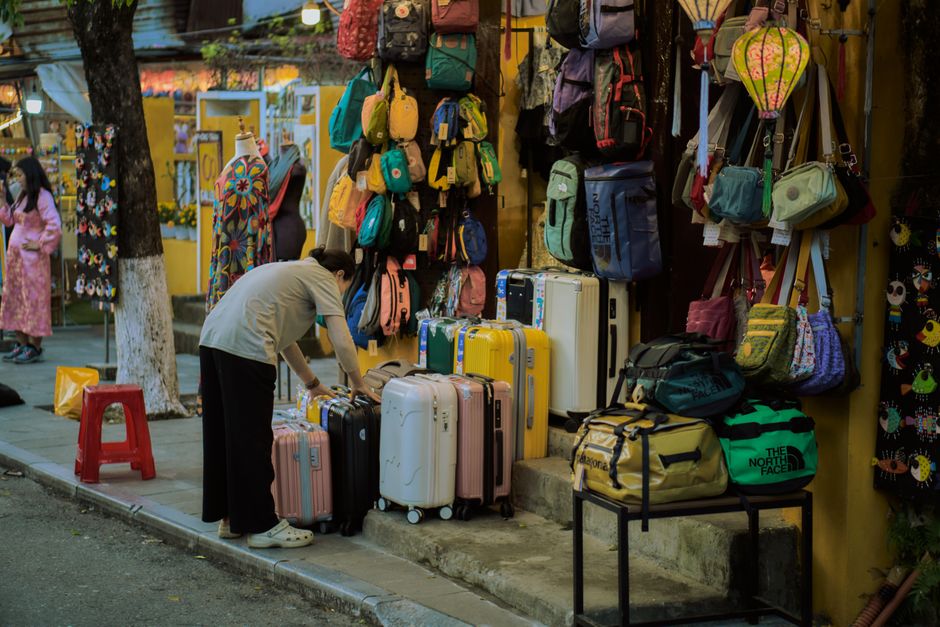
Travel blogs like Joe’s Daily emphasize that direct-to-consumer brands like Away are perfect for frequent flyers who prioritize style and price, knowing that some wear and tear is inevitable and repair may be DIY. Luxury buyers seeking long-term reliability and quiet luxury should look toward Rimowa and its supporting infrastructure.
Summary: What Are You Really Paying For?
Here’s minimalist suitcase no logo a quick recap table to clarify the core differences in Away vs Rimowa luggage, key shipping points from build to baggage claim realities:
Aspect Away Rimowa Real-World Impact Brand Presence Loud logos, youthful vibe Quiet luxury, subtle branding Depends if you want to stand out or blend in at baggage claim Leather Quality Bonded leather (lower durability) Full-grain leather (premium, longer-lasting) Longevity and ageing of handles and trim Polycarbonate Shell Thinner walls, less impact resistance High-grade polycarbonate, flexible under stress Better protection from rough treatment in transport Hardware (Wheels, Zippers, Handles) Good quality but lighter weight and less durable Premium-grade, highly durable, globally serviceable Less frequent breakage and easier repairs Warranty & Service Loyal but limited parts and slower service Strong global support, quick replacements Peace of mind for frequent travelers Price Direct-to-consumer competitive pricing High-end luxury pricing Investment vs cost savings gambleFinal Thoughts
In the away vs rimowa matchup, you’re not merely choosing between two brands but a philosophy of luggage buying. Away offers the savvy direct-to-consumer advantage with modern design and accessible price points—perfect if you’re okay managing some eventual wear and performing minor fixes on your own.
Rimowa demands your respect (and your wallet) with a heritage commitment to robust materials, exquisite construction, and legendary service that extends beyond the store. If you’ll routinely test your luggage in the wild carousel world of airports, investing in Rimowa means fewer surprises when parts start to fail—a reality check for seasoned travelers.
At the end of the day, if you crave quiet luxury that stands up to years of global adventures, Rimowa is more than just a name. But if you want a sharp-looking suitcase that balances cost, style, and enough durability for typical airport treatment, Away’s direct-to-consumer approach is highly compelling.
Whichever camp you pick, always keep baggage claim realities, repairability, and material truth front and center—because the first thing to break usually isn’t the logo.