Is It Normal for a Discontinued Rolex to Trade for Multiples of Original Retail?
Rolex watches have long been icons of timeless luxury, craftsmanship, and precision. But beyond their status as exquisite timepieces, many Rolex models have become highly coveted collector’s items, with some discontinued references trading for multiples of their original retail price. This phenomenon raises a fascinating question: Is it normal for a discontinued Rolex to command prices far above its initial retail value?
In this post, we will explore the dynamics that drive these steep appreciations, explain how valuations are determined using market-based tools, and illustrate the key factors influencing price swings on classics—sometimes trading for stunning figures, including the extraordinary example of a Rolex fetching $17.8 million at auction.
Why Does Discontinuation Matter?
When a Rolex model is discontinued, it means Rolex has ceased production of that particular reference with its unique configuration, dial, bezel, and other characteristics. This has several important implications for collectors and investors:
- Finite Supply: No additional units will enter the market, making these watches inherently limited.
- Increased Scarcity: As examples trade hands and are kept in private collections (“safe queens”), availability tightens.
- Collector Demand Curves Rise: With fewer watches available, demand tends to increase, particularly for iconic references or those with unique configurations.
These factors create an environment where discontinued Rolexes often trade at multiples of their original retail price—as a function of scarcity and desirability combined.
The Phillips $17.8 Million Phenomenon: A Case Study
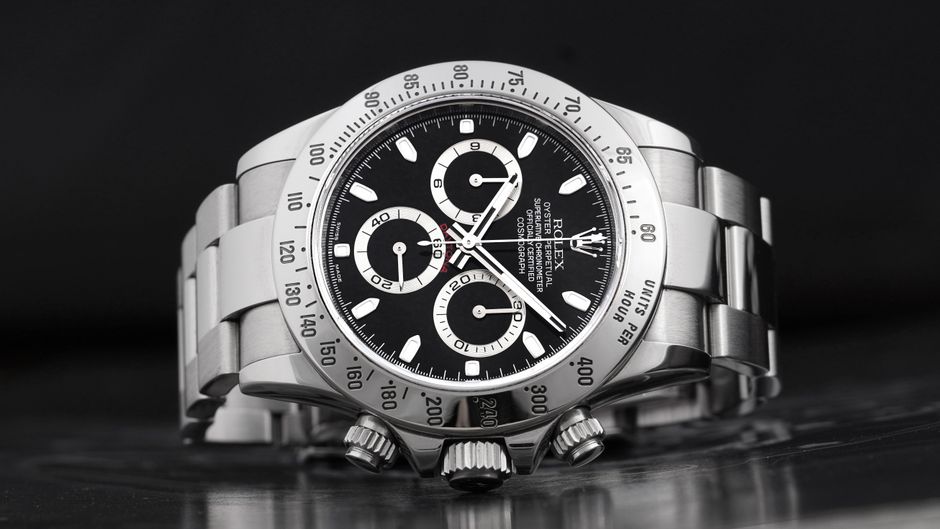
To illustrate just how far a discontinued Rolex can appreciate, consider the record-breaking sale at Phillips auction in 2017. An extremely rare Paul kermit 16610lv vs hulk Newman Rolex Daytona—a discontinued model famed for its exotic dial—sold for an astonishing $17.8 million. This sale stunned the horological world and underscored the potential upside of scarcity and condition aligned with collector passion.
Rolex Reference Model Year Sale Price Original Retail Price (Estimate) Multiplier Ref. 6239 Paul Newman Daytona Late 1960s $17,752,500 ~$2,500 ~7,100xClearly, this is an outlier, a perfect storm of rarity, provenance, and demand. But it demonstrates how powerful the collector demand curve can be once a model is discontinued and rarified.
Valuation Methods: Market-Based Valuation Using Current Comparable Sales
When assessing what a discontinued Rolex should be worth, professional buyers, sellers, and appraisers rarely guess. Instead, they rely on market-based valuation methods centered on current comparable sales. This approach considers:
- Reference Number: The specific model and movement type.
- Dial and Bezel Configuration: Distinctions such as exotic dials, precious metal bezels, color variations, and markers all influence desirability.
- Production Years: Watches from certain production runs or limited batches often fetch higher premiums due to rarity or historical significance.
- Completeness: Presence of original box, papers, accessories, and packaging impact value substantially.
- Service History: Full documented service history, especially using authorized Rolex service centers, can either boost value (if well-maintained) or detract (if over-serviced or parts replaced).
By aggregating recent auction results, private sales, and dealer trades, these inputs combine to produce a data-supported market price expectation. This method provides insight beyond nostalgia or speculation.
Key Factors Influencing Discontinued Rolex Price Appreciation
1. Configuration Details Drive Price Swings
Not all discontinued Rolexes appreciate equally. Small configuration details can make huge differences:
- Dial Variations: Certain dial configurations—"Paul Newman" dials, gilt printing, tropical patina—can command significant premiums.
- Bezel Types: Transition bezels, ceramic inserts, or precious metal bezels can affect rarity.
- Movements: First-generation movements or exclusive calibers may enhance collectibility.
- Unique Markings and Provenance: Watches originally purchased or owned by famous personalities or from limited editions amplify value.
2. Completeness Earns Premiums
Buyers prioritize complete sets—watches sold with original boxes, papers, booklets, tags, and receipt copies typically command a premium over loose watches without provenance documentation. Market data consistently shows that:
- Complete sets often trade at 10-25% premiums, sometimes more, depending on rarity.
- Missing papers can reduce value by 20%+ due to authenticity concerns.
- Boxes and accessories validate the watch’s history and care, strengthening buyer confidence.
3. Service History and Condition
While maintaining a watch’s functionality is crucial, over-servicing or replacement of original parts with aftermarket components can negatively affect value. Watches retaining original parts, even with signs of wear, are often preferred by collectors. Complete, documented service history from authorized centers is always a value positive.

Understanding the Collector Demand Curve
The collector demand curve for discontinued Rolex models follows a predictable yet powerful trajectory. Immediately after discontinuation:
- Demand Begins to Rise: Enthusiasts recognize the finite nature of the watch.
- Market Awareness Increases: Media coverage and auction results highlight scarcity.
- Price Multiples Begin Growing: Limited supply tightens, pushing prices higher, sometimes beyond retail multiples.
- Interest Peaks with Cultural or Historical Moments: Celebrity endorsements, anniversaries, or pop culture boosts demand.
Throughout this journey, the most significant price expansions align with high collector interest and tight supplies. Watches that maintain excellent condition, have sought-after configurations, and come with complete provenance see the steepest appreciation.
Are Multiples of Retail Normal for All Discontinued Rolex Models?
Think about it: while some see extraordinary appreciation, not every discontinued rolex trades for extreme multiples of its original retail value. Moderate to high multiples are common for many sought-after references, especially those with iconic status or limited production runs. However, multiples of thousands seen in rare Paul Newman Daytonas or certain ultra-limited rare models remain exceptional outliers.
Entry-level or widely produced discontinued models may appreciate modestly or remain close to original retail, influenced heavily by condition and demand. The market is nuanced, and each watch’s value is a mix of intrinsic features, condition, and collector sentiment.
Conclusion
In summary, it is indeed common for many discontinued Rolex models to trade at multiples of their original retail prices, but the degree can vary widely depending on configuration, condition, completeness, and collector root beer vs batman gmt enthusiasm. The discontinuation event itself creates a limited supply that fuels demand curve growth and price appreciation over time.
Professional market-based valuation relying on recent comparable sales, coupled with rigorous evaluation of dial, bezel, production years, completeness, and service history, offers the most reliable price guidance.
Whether you are a seasoned collector or a first-time buyer intrigued by the appeal of discontinued Rolexes, understanding these dynamics is key to navigating the marketplace and appreciating why some watches can command staggering multiples like the $17.8 million Paul Newman Daytona.
Further Reading and Tools
- Phillips Auction Record for Paul Newman Daytona
- Hodinkee: How to Value a Rolex Watch
- Chrono24 Market Pricing Overview