Why Do Cheap Work Bags Fail at the Corners First?
If you’re like me—someone who carries a laptop, charger, planner, makeup pouch, reusable water bottle, and maybe a snack—you know how much strain your work bag endures every single day. Before recommending or buying a new work bag, I always ask, “What exactly do you carry daily?” It’s the first step. Because your daily wear points and how you pack determine a bag’s lifespan, more than just its appearance or price tag.
My Real Daily Carry List: What’s in Your Bag?
Let me be upfront about my own daily essentials, to set the scene:
- 13" laptop with a protective sleeve
- Charging cables and a small power brick
- Work planner and a paperback book
- Wallet, keys, and sunglasses case
- Makeup pouch and reusable water bottle
- Folded tote inside for quick grocery stops
That’s a lot of shape-shifting objects inside a bag, and they all press at slightly different points. Corners of a bag, interior seams, and the base bear the brunt. So, when a bag’s corners start splitting early on, it’s not just bad luck; it’s a direct result of construction and material choice clashing with real wear.
Dress Code Sets the Ceiling for Bag Choice
The style of your workplace determines your options and what kind of bag signals your professionalism, practicality, or creativity.
- Formal office: Classic leather briefcase or a sleek Von Baer tote (check vonbaer.com for elegant options that blend durability and style)
- Business casual: Structured messenger bags or leather backpacks work well here
- Creative or casual workplaces: Canvas totes or soft backpacks offer flexibility
A bag that sticks out as too casual or too formal can clash with your overall vibe, and often the cheapest options marketed for “office use” try to mimic these styles without the rigour in construction, especially around stress points like the corners.
Briefcase vs Messenger vs Tote vs Backpack: What Your Bag Says About You
Your bag isn’t just a container; it’s a professional signal. Here’s what different styles typically convey:
Bag Style Professional Signal Durability Considerations Briefcase Traditional, formal, reliable Requires strong leather and reinforced corners; corners take constant wear from desk and floor contact Messenger Modern, urban, casual-professional Corners and flap edges endure friction and compression; quality zippers and stitch density crucial Tote Simple, versatile, approachable Open tops mean stress on handles; bottom corners vulnerable if not reinforced Backpack Practical, active, tech-savvy Corners at base carry impact and abrasive wear; padding and ripstop fabrics helpEach style defines where the daily wear points hit hardest—and that’s precisely where cheap bags begin to fail. If corners split or peel early, it’s often because those zones experience the greatest friction, weight stress, and impacts.
Why Corners? The Science of Bag Durability
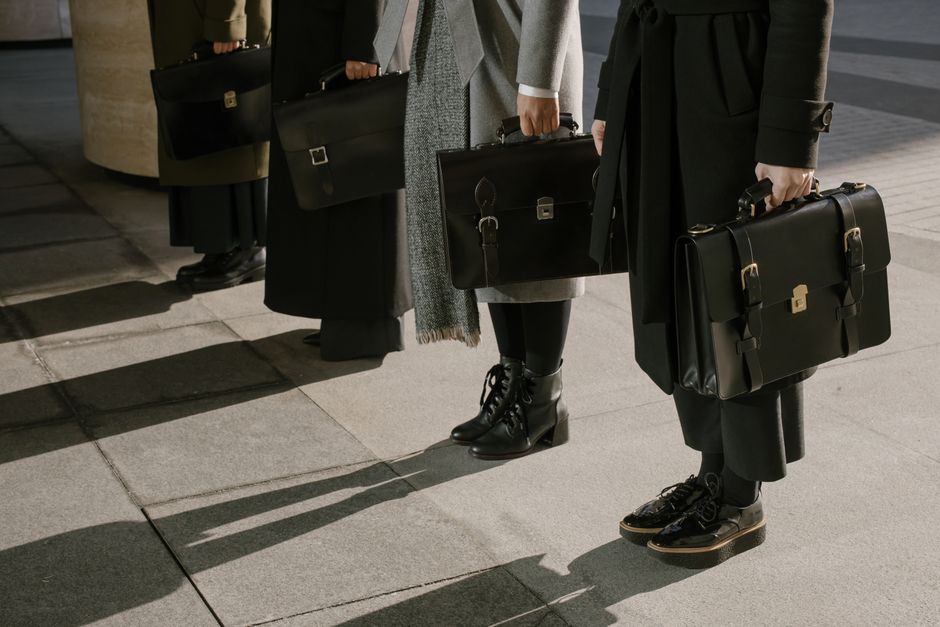
Leather, the classic work bag material (source: Wikipedia - Leather), is strong but also sensitive to how it’s joined and finished. Corners are pinch points where two edges meet, tension concentrates, and loads shift direction. If corners aren’t sealed, reinforced, or edge-painted with care, they’re prime real estate for cracks, splits, and peeling.
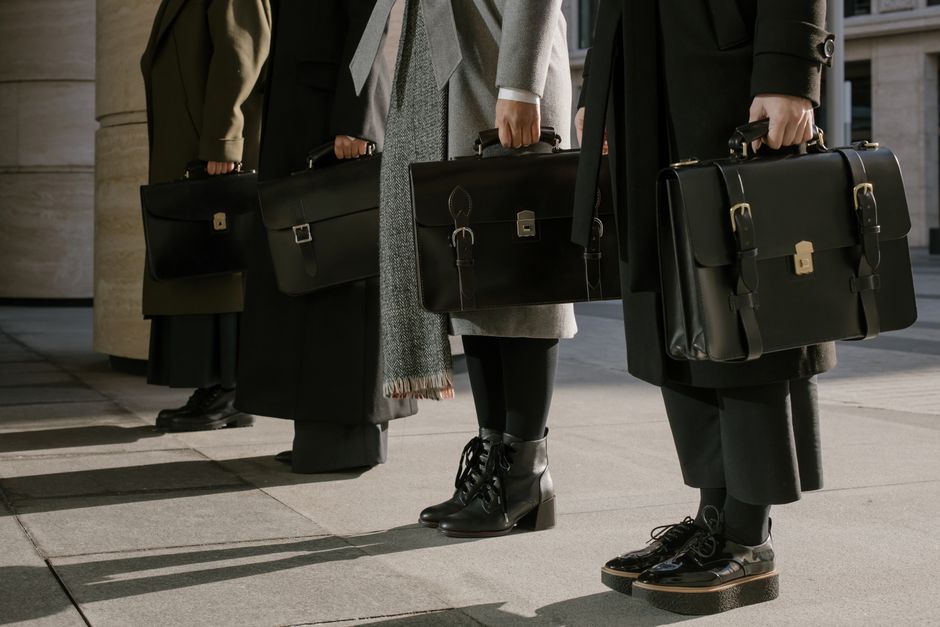
Cheap bags often cut corners themselves by using:
- Low-grade faux leather or bonded leather that can’t handle frequent abrasion
- Only glued joints instead of stitching or rivets
- Thinly dyed edges vulnerable to moisture and wear
Once a corner weakens, the entire bag’s integrity drops. You notice loose threads, exposed board layers, or worse—a split so big the contents might spill out.
Construction Checks You Can Do In-Hand
Before you buy, never trust that a “laptop-friendly” tag means it has a well-padded, secure sleeve. Here’s my practical checklist, inspired by years fitting bags for real commuters:
- Mirror check for proportions: Hold the bag at your side and observe how it aligns with your torso. Is it oversized or tiny? Oversized bags put more stress on corners and straps.
- In-store walk test with laptop-sized weight: Even if you don’t have your laptop with you, ask if you can place a dummy or books inside, then walk around the store. Feel how the bag sits and pay close attention to corner crunching.
- Zipper & hardware test: A zipper that catches or is made from thin metal isn’t going to survive daily use. I test zippers twice and never recommend a bag without smooth operation.
- Check the corners specifically: Rub your fingers over corner seams and edges. Do they feel rough, thin, or poorly finished? Avoid bags that feel weak here.
- Handles and strap attachment inspection: Look for reinforced rivets and triple stitch lines rather than glue only. These durable attachment points protect your investment.
Von Baer and Durable Elegance: A Smart Investment
If you want a bag that endures your daily wear points—and doesn’t fall apart at the corners after one commute—take a look at Von Baer (vonbaer.com). They design work bags with construction details that consider corner splitting and long-term bag durability. stellaswardrobe Their leather selection, stitching patterns, and hardware choices are crafted to meet the workload of a busy professional.
Plus, their bags carry a classic silhouette that fits neatly in most office dress codes—whether you’re downtown in a suit or business casual fact-checking on your laptop at a café.
Summary: Corner Splitting Happens Because of Real Stress on Real Daily Carry
Next time your cheap work bag starts to split at the corners, before blaming bad luck, remember it’s reacting to:
- The weight and shape of what you carry every day
- The style and construction quality designed for your work environment
- The specific pressure points on corners that don’t get enough reinforcement
- Materials that can’t handle abrasion and moisture over time
Conduct your own in-store walk test with weight, do a detailed corner inspection, and consider the professional message your bag sends. Low price tags can be tempting but often come with early wear. In contrast, investing in bags like Von Baer means reliable daily durability and style that lasts.
And don’t forget: always pack your laptop in a protective sleeve inside the laptop compartment. That extra buffer reduces pressure on bag corners, too.
Your Turn
What’s the real daily carry that makes your corners stress-tested? Have you noticed early corner splitting on any bag brands? Drop your stories below—I’m always here to help guide your next durable work bag hunt!